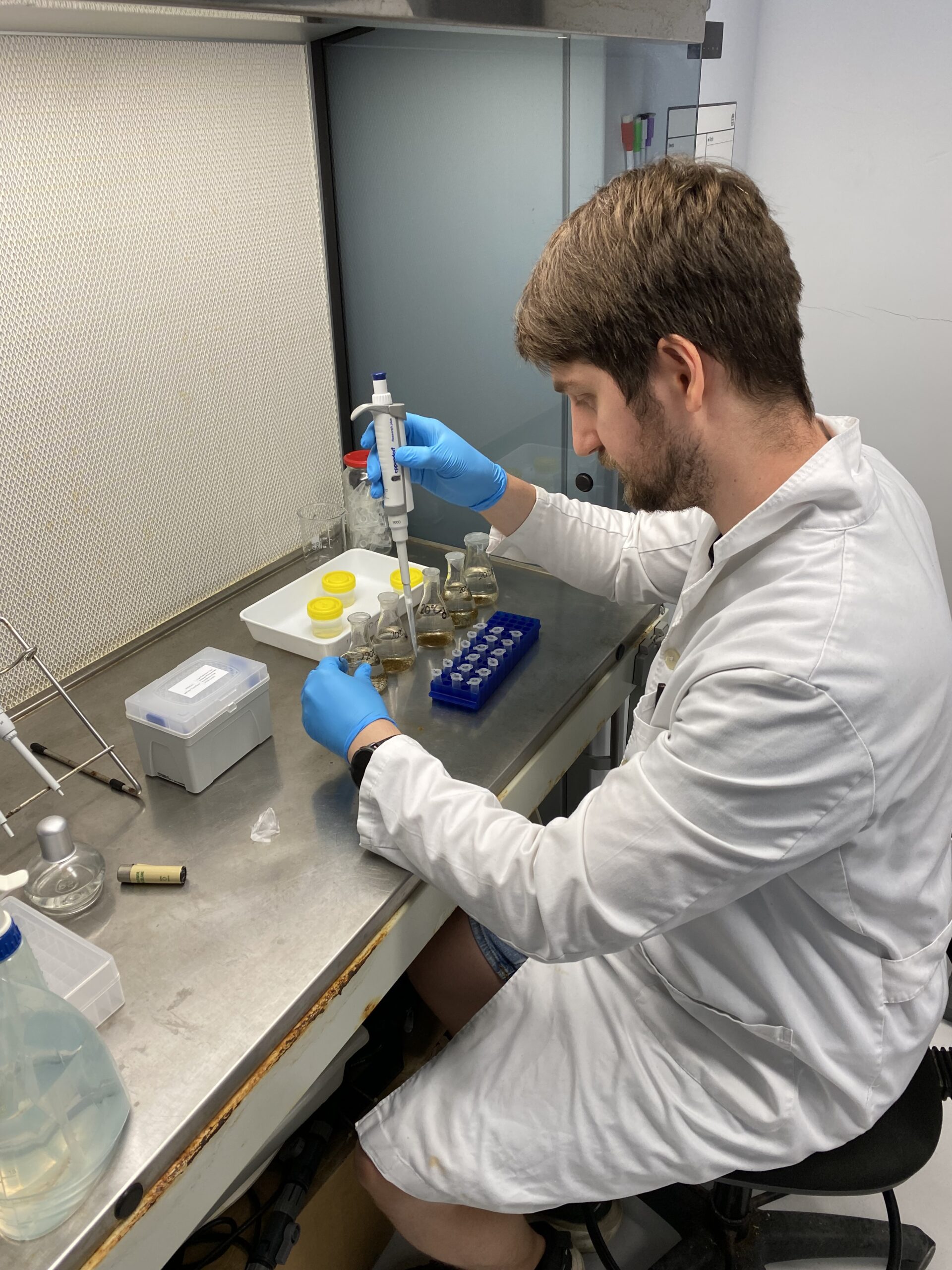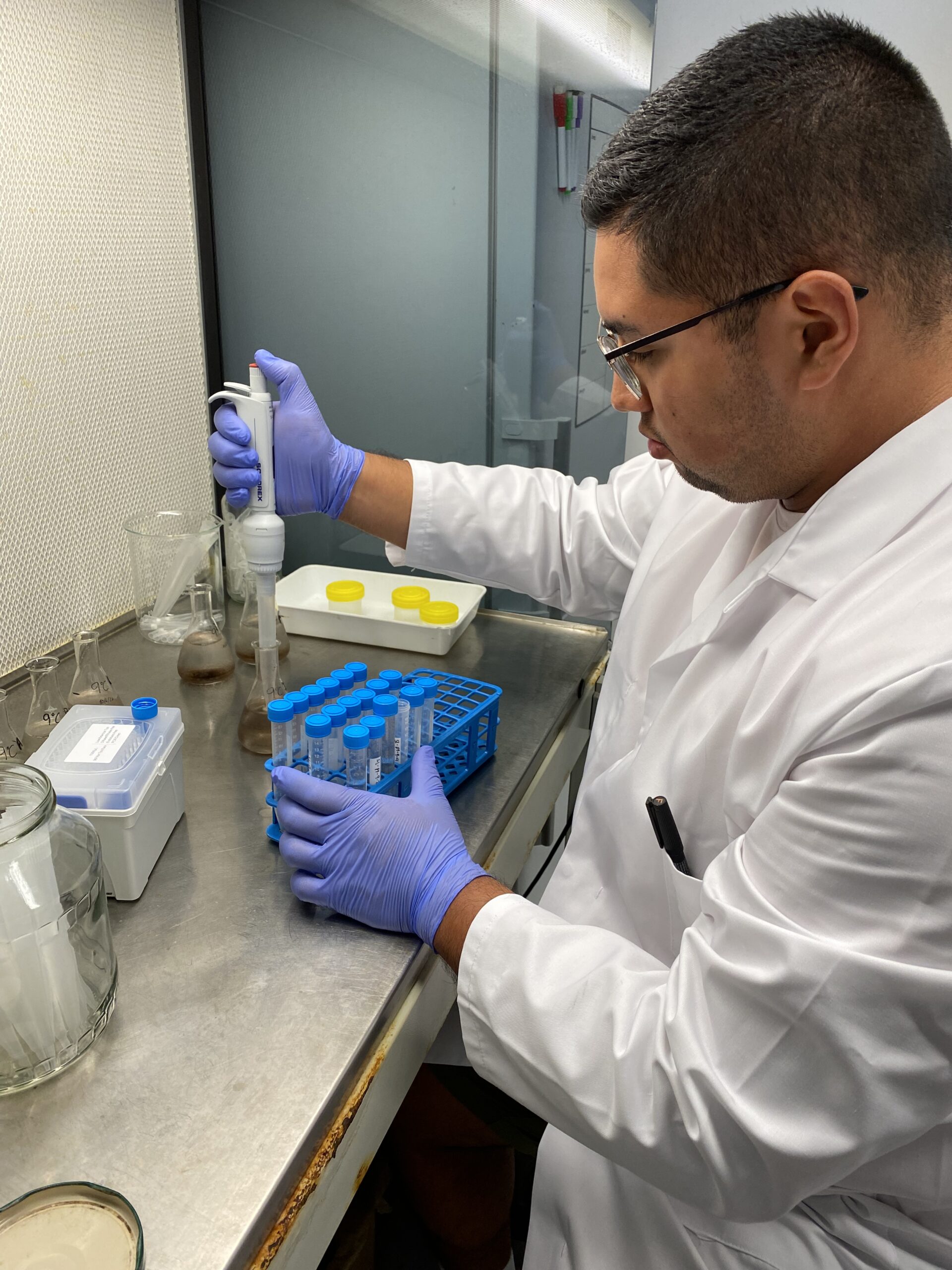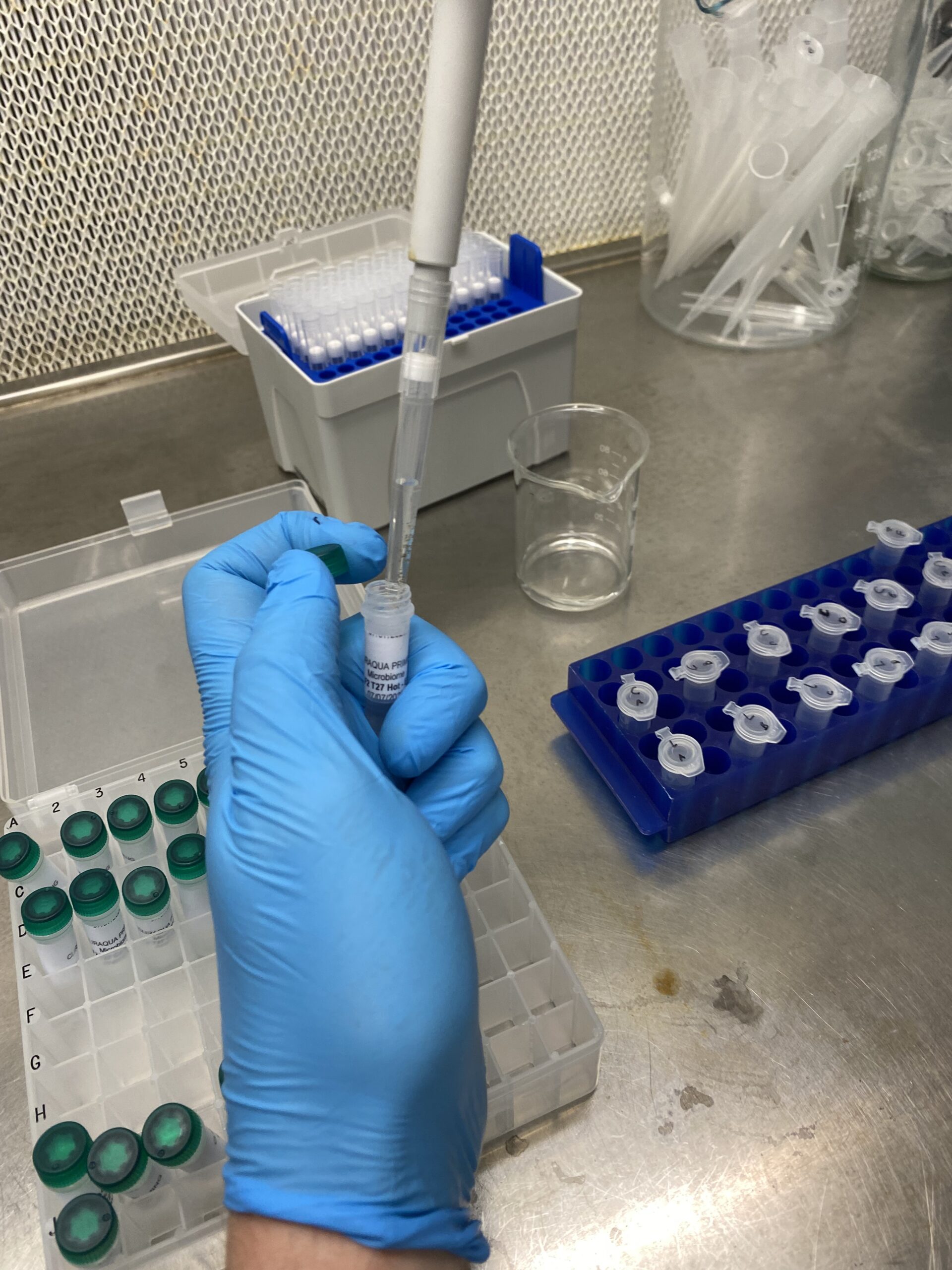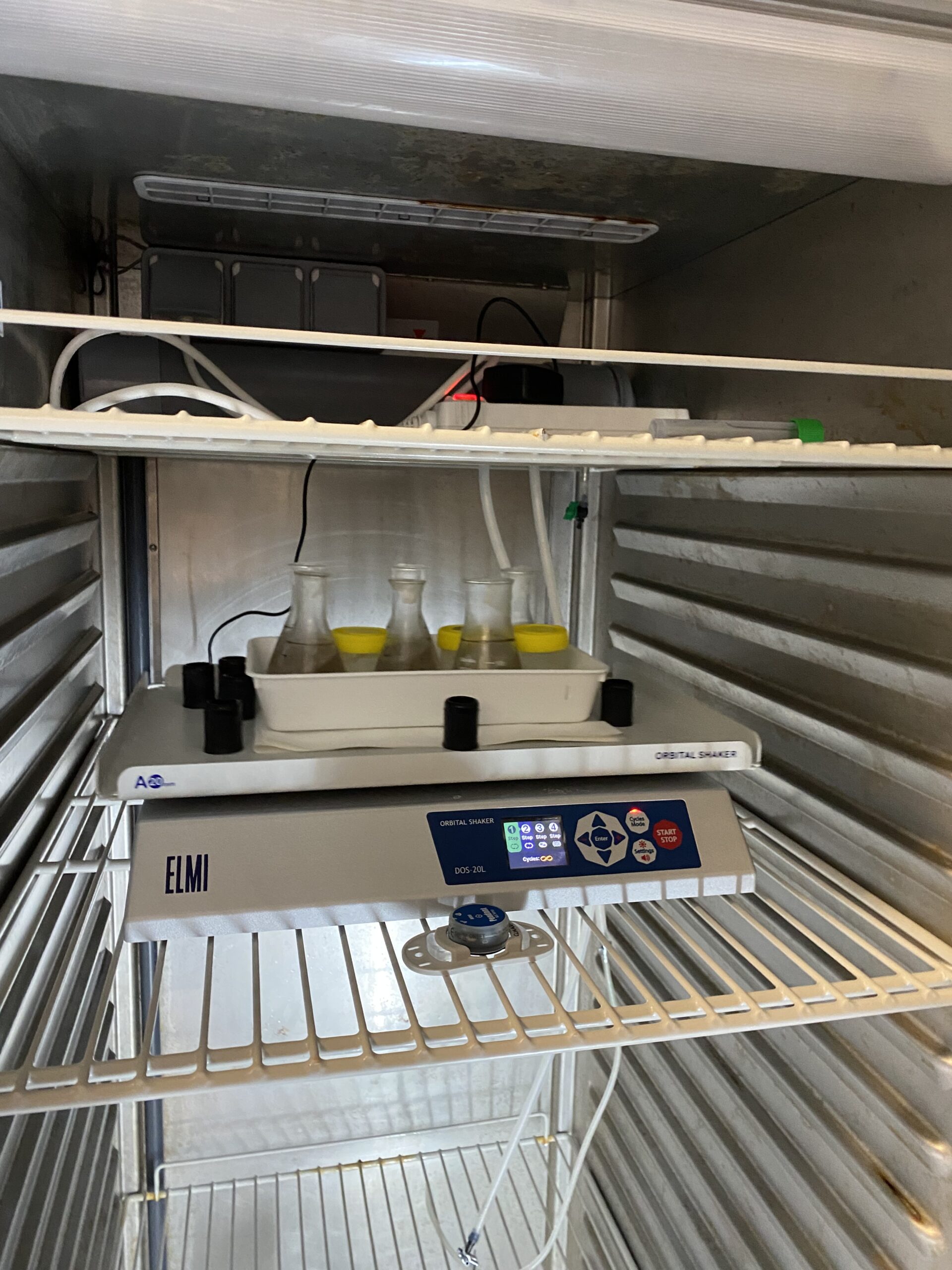
Researchers from the Institute of Marine Research of the Spanish National Research Council (IIM-CSIC) and the Interdisciplinary Centre for Chemistry and Biology of the University of A Coruña (CICA) are testing a new approach to help kelp cultures adapt to rising seawater temperatures and increasingly frequent marine heatwaves.
The experiment, entitled “Adapting kelp culture to climate change: Thermal priming from a holobiont perspective”, is one of several experiments being carried out by CLIRAQUA partners to develop and test solutions that can improve the resilience and environmental sustainability of Atlantic aquaculture systems under climate change.
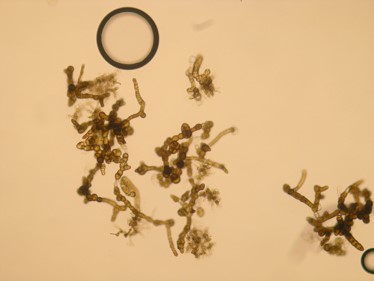
The study focuses on Saccharina latissima, a brown macroalga of ecological and commercial interest, that can be cultivated coupled to mussel in Integrated Multitropic Aquaculture (IMTA) systems, promoting regenerative aquaculture. However, S. latissima is particularly sensitive to increased temperatures resulting from climate change (e.g. heatwaves). Researchers are applying a technique for thermal adaptation, known as thermal priming, which involves exposing the early developmental stages of the kelp to controlled temperature conditions. The aim is to investigate if this initial exposure can generate a form of stress memory and improve the response of the resulting cultures to future thermal stress. Also, if the algae microbiome plays a role in thermal adaptation and the chemical signals potentially involved in such adaptation.
The results will contribute to a better understanding of the response of kelp and its associated microbiome to thermal stress, supporting the development of more climate-resilient macroalgal cultivation strategies.